Wedding Band vs Engagement Ring Differences Most People Misunderstand
Engagement rings and wedding bands symbolize love and commitment throughout marriage. However, many couples misunderstand the key differences between these two important pieces of jewelry. Common confusion surrounds their purposes, wearing traditions, and design characteristics.
Understanding these distinctions helps couples make informed decisions when selecting rings. This guide clarifies the most misunderstood aspects of engagement rings versus wedding bands, covering everything from symbolism to practical considerations.
The Fundamental Purpose Difference
Engagement rings mark the proposal and engagement period. A partner presents this ring when asking for marriage, symbolizing the promise of future commitment. The engagement ring represents intention rather than completed vows.
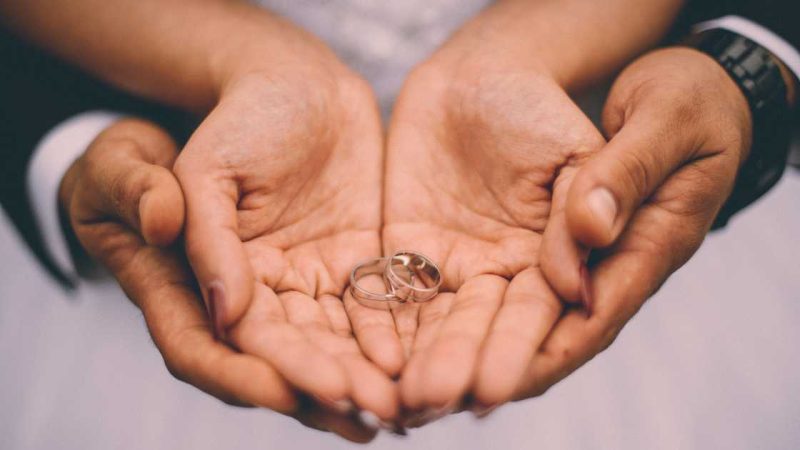
Wedding bands exchange during the marriage ceremony itself. These rings symbolize the actual marriage covenant and lifelong partnership. Therefore, wedding bands carry different symbolic weight than engagement rings despite both representing love.
Many people mistakenly believe engagement rings and wedding bands serve identical purposes. In reality, engagement rings celebrate the question and acceptance, while wedding bands commemorate the answered vows. Additionally, engagement rings are typically worn for months or years before wedding bands enter the picture.
The timing difference creates distinct emotional associations. Engagement rings remind wearers of proposal moments and anticipation. Wedding bands connect directly to wedding day memories and spoken vows.
Design and Style Misconceptions
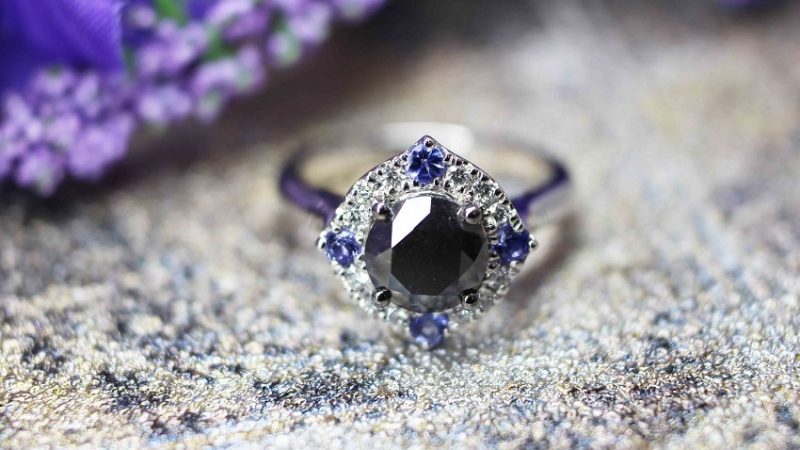
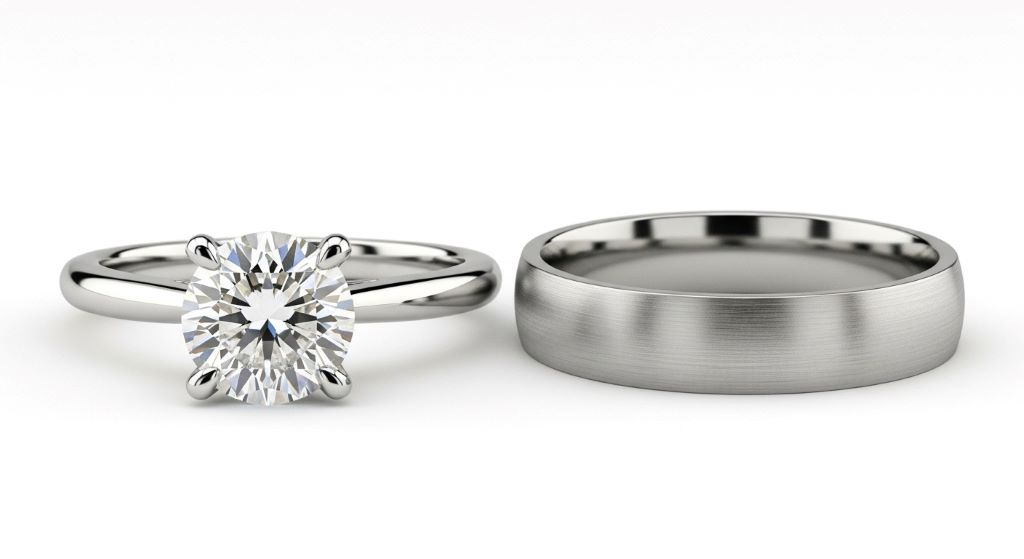
Engagement rings traditionally feature prominent center stones, usually diamonds. The design draws attention and announces engagement status publicly. Solitaire settings, halo designs, and three-stone arrangements dominate engagement ring styles.
Wedding bands typically showcase simpler, more streamlined designs. Most consist of plain metal bands or bands with subtle stone settings. However, some couples choose diamond eternity bands or partially set wedding rings for added elegance.
A common misconception suggests wedding bands must always be plain. While traditional wedding bands use simple designs, modern options include diamonds, gemstones, and intricate metalwork. Therefore, couples can personalize wedding bands significantly while maintaining their symbolic purpose.
Another misunderstanding involves matching sets. Many assume engagement rings and wedding bands must match perfectly. Actually, contrasting metals, different design aesthetics, and unique combinations create beautiful results. Moreover, personal preference outweighs strict matching requirements.
Which Ring Goes on First
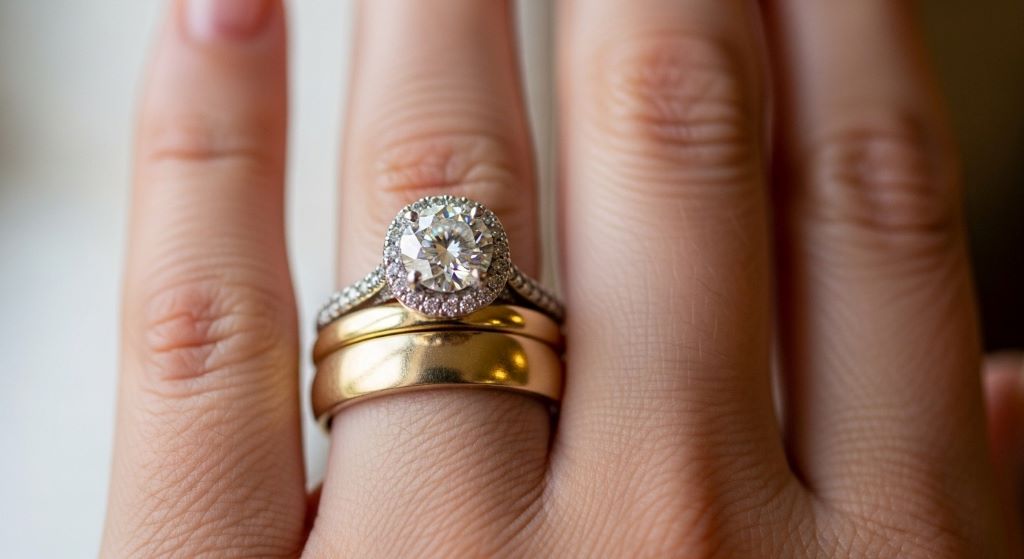
Proper wearing order confuses many people throughout their marriages. Tradition places the wedding band closest to the heart on the ring finger. The engagement ring sits above the wedding band, farther from the hand.
During wedding ceremonies, brides often move engagement rings to their right hands temporarily. After exchanging wedding bands, they return engagement rings to sit above the new bands. This practice ensures the wedding band claims the position nearest the heart.
However, many people mistakenly wear their engagement rings closest to their hands throughout marriage. This reverses traditional symbolism but remains acceptable if preferred. Additionally, some cultures and individuals follow different wearing customs based on regional traditions.
Some couples solve ordering confusion by choosing rings designed to nestle together. Curved wedding bands wrap around engagement ring settings perfectly. Therefore, proper stacking becomes obvious through complementary designs.
The Cost Difference That Surprises Couples
Engagement rings typically cost significantly more than wedding bands. The prominent center stone drives up engagement ring prices substantially. According to tradition and marketing influences, many people spend two to three months’ salary on engagement rings.
Wedding bands generally cost much less despite their equal symbolic importance. Simple metal bands without stones may cost only a few hundred dollars. However, elaborate diamond wedding bands can approach or exceed some engagement ring prices.
This cost difference surprises couples who assume both rings should carry similar price tags. Many wedding bands cost one-quarter to one-half of engagement ring prices. Therefore, budgeting separately for each ring makes financial planning easier.
Additionally, some people mistakenly believe expensive wedding bands demonstrate greater commitment. Actually, wedding band value lies in symbolism rather than cost. Simple bands carry the same marital meaning as elaborate, expensive designs.
Metal Selection Misunderstandings
Many couples assume engagement rings and wedding bands must use identical metals. While matching metals create cohesive looks, mixed metals offer unique appeal. Rose gold wedding bands can beautifully complement white gold engagement rings, for example.
Popular engagement ring metals include platinum, white gold, yellow gold, and rose gold. These durable options withstand daily wear while showcasing center stones attractively. Platinum offers exceptional durability but commands premium prices.
Wedding band metal choices mirror engagement ring options but prioritize comfort for constant wear. Some people choose more durable metals for wedding bands since they rarely remove them. Therefore, platinum and palladium gain popularity for wedding bands despite higher costs.
A common misconception suggests softer metals like yellow gold cannot withstand daily wedding band wear. Actually, proper care maintains any metal wedding band indefinitely. Moreover, occasional refinishing restores original luster to well-worn bands.
Wearing Traditions Around the World
American tradition places both rings on the left hand’s fourth finger. This custom stems from ancient beliefs about veins connecting this finger directly to the heart. However, many cultures follow completely different traditions.
German and Russian customs place engagement rings on the left hand but move them to right hands after marriage. The wedding band then occupies the left ring finger alone. Therefore, engagement and wedding rings never stack in these traditions.
Some cultures forego engagement rings entirely, using only wedding bands. Others use matching bands for both partners without separate engagement rings. Additionally, certain traditions involve multiple rings exchanged throughout courtship and marriage.
Many people mistakenly believe their local customs represent universal practices. Actually, ring traditions vary dramatically across cultures and religions. Understanding this diversity helps couples choose meaningful personal approaches.
Who Wears What and When
Traditional Western customs suggest only women receive engagement rings. Men historically received nothing during proposals, waiting until wedding ceremonies for their bands. However, modern practices increasingly challenge this gendered tradition.
Engagement rings for men, called mangagement rings, grow in popularity. These rings acknowledge both partners’ commitment during engagement periods. Therefore, contemporary couples often exchange engagement rings mutually rather than following traditional one-sided customs.
Wedding bands tradition dictates both partners receive and wear bands. This equal exchange symbolizes mutual commitment and partnership. However, some people mistakenly believe only brides require wedding bands.
Additionally, wearing practices vary by personal preference and profession. Some people remove rings for work, sports, or sleep. Others never remove wedding bands, believing continuous wear honors marriage vows. Therefore, individual circumstances trump rigid rules.
According to The Knot, engagement ring and wedding band traditions continue evolving as couples prioritize personal meaning over conventional rules.
The Symbolism People Often Misinterpret
Engagement rings symbolize promises and intentions for future marriage. The circular shape represents eternity and endless love. Center stones traditionally represent the relationship’s preciousness and clarity.
Wedding bands symbolize the completed marriage covenant and unbroken unity. The endless circle emphasizes marriage’s permanent nature without beginning or end. Moreover, exchanging identical or complementary bands represents equal partnership.
Many people misunderstand engagement ring symbolism as representing marriage itself. However, engagement rings specifically symbolize the transitional period between proposal and wedding. Therefore, their meaning transforms after marriage when paired with wedding bands.
Another common misconception involves diamond necessity. While diamonds dominate engagement rings, they aren’t symbolically required. Alternative gemstones, vintage rings, and non-traditional designs carry identical meaning when chosen thoughtfully.
Practical Durability Considerations
Engagement rings often feature delicate settings holding prominent stones. Prong settings, while beautiful, catch on clothing and require careful wear. Additionally, high-set stones protrude from fingers, increasing damage risk during daily activities.
Wedding bands typically feature lower profiles and sturdier construction. Since people rarely remove wedding bands, durable designs prevent damage during routine activities. Therefore, wedding band durability often exceeds engagement ring resilience despite simpler appearances.
Many people mistakenly believe engagement rings should withstand the same wear as wedding bands. Actually, protective practices like removing engagement rings during physical activities extend their lifespan. However, wedding bands’ sturdy designs accommodate constant wear without special precautions.
Some couples choose matching durability by selecting flush-set engagement rings and reinforced wedding bands. These thoughtful choices ensure both rings withstand decades of daily wear.
Resizing and Modification Differences
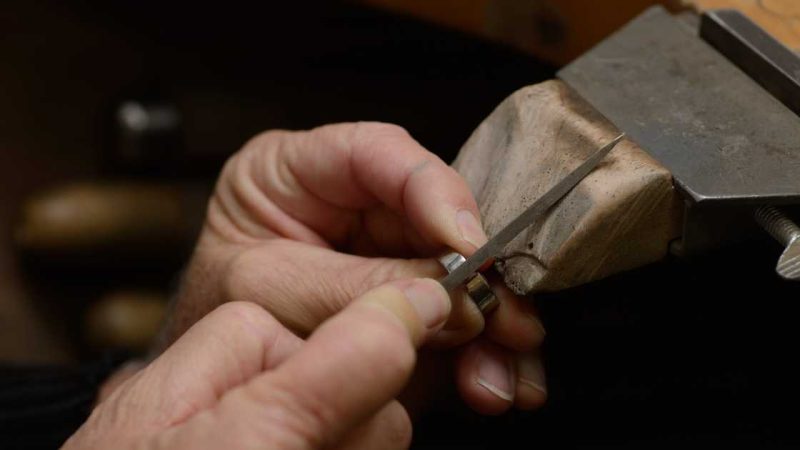
Wedding bands typically resize more easily than engagement rings. Simple metal bands accommodate size adjustments without complicated stone resetting. Therefore, wedding band resizing costs less and completes faster than engagement ring modifications.
Engagement rings present resizing challenges due to stone settings and intricate designs. Resizing may require removing and resetting stones, adjusting prongs, and reworking decorative elements. Additionally, some engagement ring designs cannot resize without complete reconstruction.
Many people assume all rings resize equally easily. This misunderstanding causes frustration when engagement ring modifications prove complex and expensive. Therefore, considering future sizing needs when selecting engagement rings prevents complications.
Eternity wedding bands cannot resize at all without removing stones. This limitation surprises couples who assume all rings accommodate size changes. Consequently, perfect initial sizing becomes critical for eternity band selections.
Insurance and Appraisal Necessities
Engagement rings typically require separate insurance coverage due to their higher values. Homeowners or renters insurance often provides insufficient coverage for valuable engagement rings. Therefore, specialized jewelry insurance protects against loss, theft, and damage.
Wedding bands may need less insurance coverage depending on their value. Simple metal bands might receive adequate protection through standard homeowners policies. However, diamond-set wedding bands warrant individual appraisals and coverage.
Many couples mistakenly insure only engagement rings, leaving wedding bands vulnerable. Additionally, some assume wedding band replacement costs remain minimal. Actually, custom wedding bands and precious metal prices make replacement expensive.
Professional appraisals establish insurance values for both rings. Updating appraisals every few years ensures coverage matches current replacement costs. Moreover, photographic documentation aids claims if rings are lost or stolen.
Inheritance and Sentimentality Factors
Engagement rings frequently become family heirlooms passed through generations. The proposal’s romantic significance creates strong sentimental attachments. Therefore, vintage engagement rings carry family histories and emotional legacies.
Wedding bands also become meaningful heirlooms but serve different symbolic purposes. These rings represent specific marriages and lifelong partnerships. Additionally, engraved wedding bands containing dates and initials preserve personal histories.
Some people mistakenly prioritize engagement ring sentimentality over wedding band meaning. However, both rings deserve equal reverence for different reasons. Wedding bands symbolize completed marriages and years of partnership, creating profound significance.
According to Martha Stewart Weddings, understanding each ring’s distinct purpose helps couples appreciate both pieces’ unique roles in their love story.
Conclusion
Wedding bands and engagement rings serve distinct purposes despite both symbolizing love and commitment. Engagement rings mark proposals and future promises, while wedding bands commemorate actual marriage vows. Design differences typically show engagement rings featuring prominent stones and wedding bands displaying simpler styles. However, modern couples increasingly personalize both rings according to preference rather than rigid traditions. Cost, durability, symbolism, and wearing customs vary significantly between these two ring types. Therefore, understanding these differences helps couples select meaningful rings honoring both their engagement journey and married life. The most important consideration remains choosing rings that authentically represent each couple’s unique relationship and values.
Frequently Asked Questions
Can you wear your wedding band without your engagement ring?
Yes, wearing only your wedding band is perfectly acceptable and common. Many people remove engagement rings during work, exercise, or sleep due to their delicate settings. The wedding band alone still symbolizes marriage fully, making it suitable for everyday wear.
Do both partners need to wear wedding bands?
While traditional Western customs expect both partners to wear wedding bands, this remains a personal choice. Some couples choose alternative symbols or prefer one partner wearing a band. However, matching wedding bands represent equal partnership and mutual commitment.
Should engagement rings and wedding bands match exactly?
Matching metals and styles create cohesive looks, but exact matching isn’t required. Many couples mix metals, choose contrasting designs, or select rings from different jewelers. Personal preference and comfort outweigh strict matching rules in modern ring selection.
How much should you spend on a wedding band compared to an engagement ring?
Wedding bands typically cost 25-50 percent of engagement ring prices, though no strict rules exist. Simple bands may cost a few hundred dollars, while elaborate designs reach several thousand. Budget based on personal finances rather than arbitrary spending ratios.
Can you propose with just a wedding band instead of an engagement ring?
Yes, proposing with a wedding band alone is acceptable, though less common in Western traditions. Some couples skip engagement rings entirely or select the wedding band together after the proposal. The meaningful gesture matters more than following specific ring conventions.
Related Topics: